.png)
Related

CrossFit & Strong Bones
You may have heard lately on the news or social media some chatter about bone
density and the role exercise can play in maintaining it. But what is bone density, why
does it matter, and does CrossFit actually help keep your bones strong?
Bone density is basically the amount of minerals in your bones. Higher density means
stronger bones; lower density means more brittle bones and is an indicator of
osteopenia or osteoporosis. Low bone density means your bones are more fragile and
more prone to fracture. Broken bones aren’t fun, but beyond the pain, expense, and
disruption to your routine, fractures can have serious consequences for older adults.
Approximately 25% of hip fracture patients will never regain full function, and about 24%
of hip fracture patients over age 50 will die within a year of the fracture.¹
Bone density isn’t static: lifestyle and age have a huge impact. Calcium and vitamin D
intake play a role, as do smoking, alcohol consumption, and activity level. After age 50,
the average person loses about 0.5–1% of their bone density per year. Women in the
first ten years after menopause can lose as much as 3% per year. Almost half of all
Americans over the age of 50 have osteopenia or osteoporosis.¹²
But you don’t have to become a statistic. Even as you age, you can preserve, or even
improve, your bone density by making lifestyle changes. Nutrition is important:
recommendations to limit bone density loss include a whole-foods, anti-inflammatory
diet with sufficient protein to maintain or increase muscle mass. Ensuring adequate
vitamin D3 levels is also important for bone health. And beyond slowing the decline of
bone density, you can actually increase it with the right types of activity – specifically
jumping and strength training. If you’ve been in our gym lately, those probably sound
pretty familiar.
How CrossFit Improves Bone Density
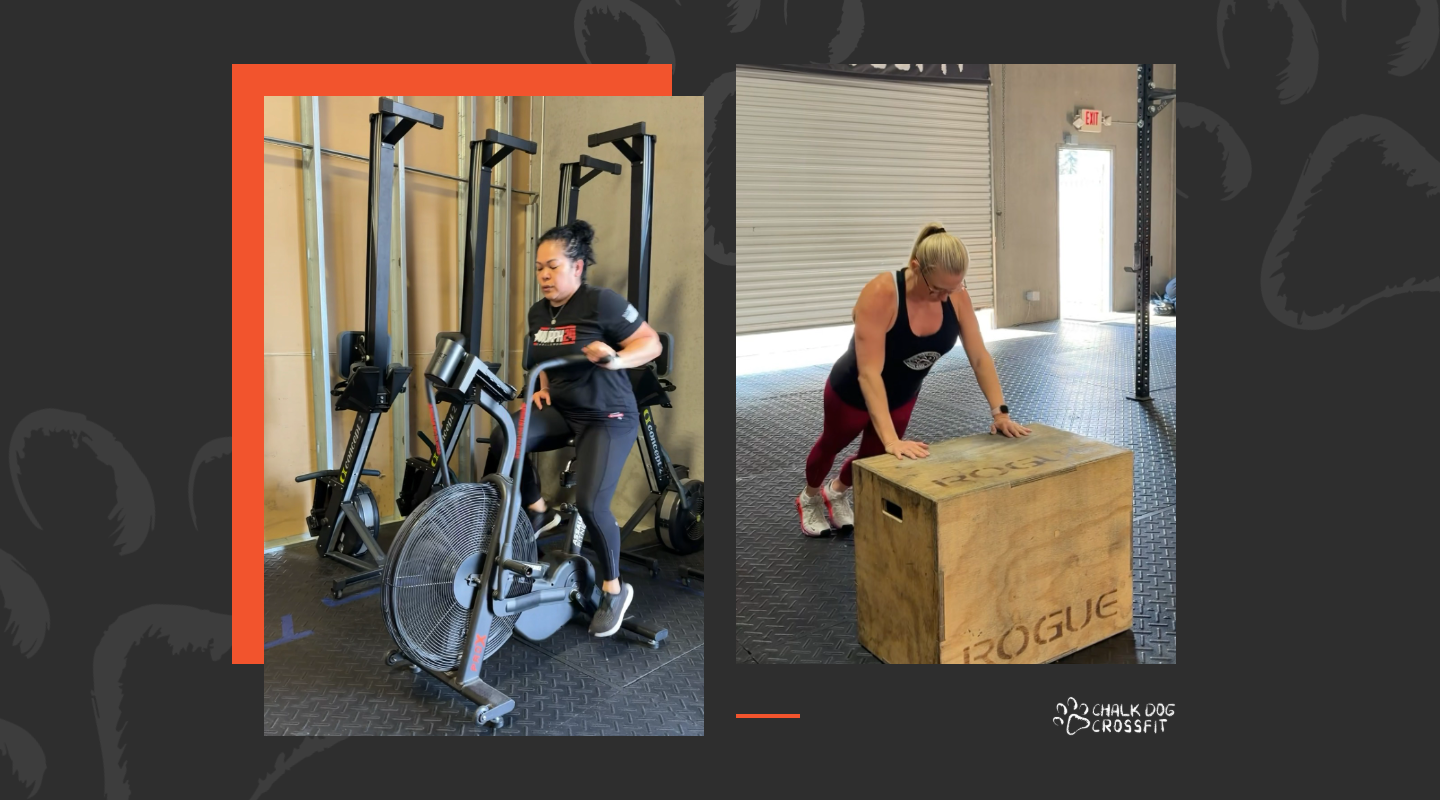
CrossFit is a great way to improve bone density at any age. Using weights that
challenge your musculature (literally causing your muscles to pull on your bones) forces
your bones to adapt and get stronger. High-intensity resistance training and impact-
based exercise have been shown to improve bone mineral density and physical
function, even in older adults with osteopenia and osteoporosis.³
There’s a caveat: you do need to work hard enough to get the best bone-building
results. As our athletes hear all the time, scaling is the name of the game. In this case,
you need to scale your effort up as your strength and ability increase. Lifting light is
great for technique, recovery, learning new movements, or returning from injury; but,
continuing to lift light once your body has adapted won’t continue to improve bone
density (though it can help maintain it).
This is where progressive overload comes in: the idea that to keep producing changes
in your muscles and bones, you need to gradually increase the stress your body is
exposed to. That might mean grabbing heavier dumbbells when the 20s feel easy, or
listening when your coach suggests it’s time to go up in weight. High-quality coaching
and programming take the guesswork out and help you build strength, bone density,
and overall health in a smart, sustainable way.
How to Measure Bone Density
If you’re curious how your bone density stacks up, you can get a DXA scan at UC Davis
for a detailed analysis of body composition (fat, muscle mass, and bone density). Talk to
your healthcare provider if you have questions about screening or risk factors.
References
1. Potashkin JA, Kim N. Reversal of Bone Mineral Density Loss Through Lifestyle
Changes: A Case Report. American Journal of Lifestyle Medicine, 2024.
https://pmc.ncbi.nlm.nih.gov/articles/PMC11556536/
2. Ji MX, Yu Q. Primary osteoporosis in postmenopausal women. Chronic
Diseases and Translational Medicine, 2015.
https://mednexus.org/doi/full/10.1016/j.cdtm.2015.02.006
3. Beck BR, Daly RM, Singh MA, Taaffe DR. High-intensity resistance and impact
training improves bone mineral density and physical function in postmenopausal
women with osteopenia and osteoporosis (LIFTMOR Trial). Journal of Bone
and Mineral Research, 2018.
https://www.sciencedirect.com/science/article/abs/pii/S0021929016305796

.png)
.png)
.png)